HR for HR: How to Elevate Your Presence, Own Your Seat, and Lead with Confidence with Nakisha Hicks
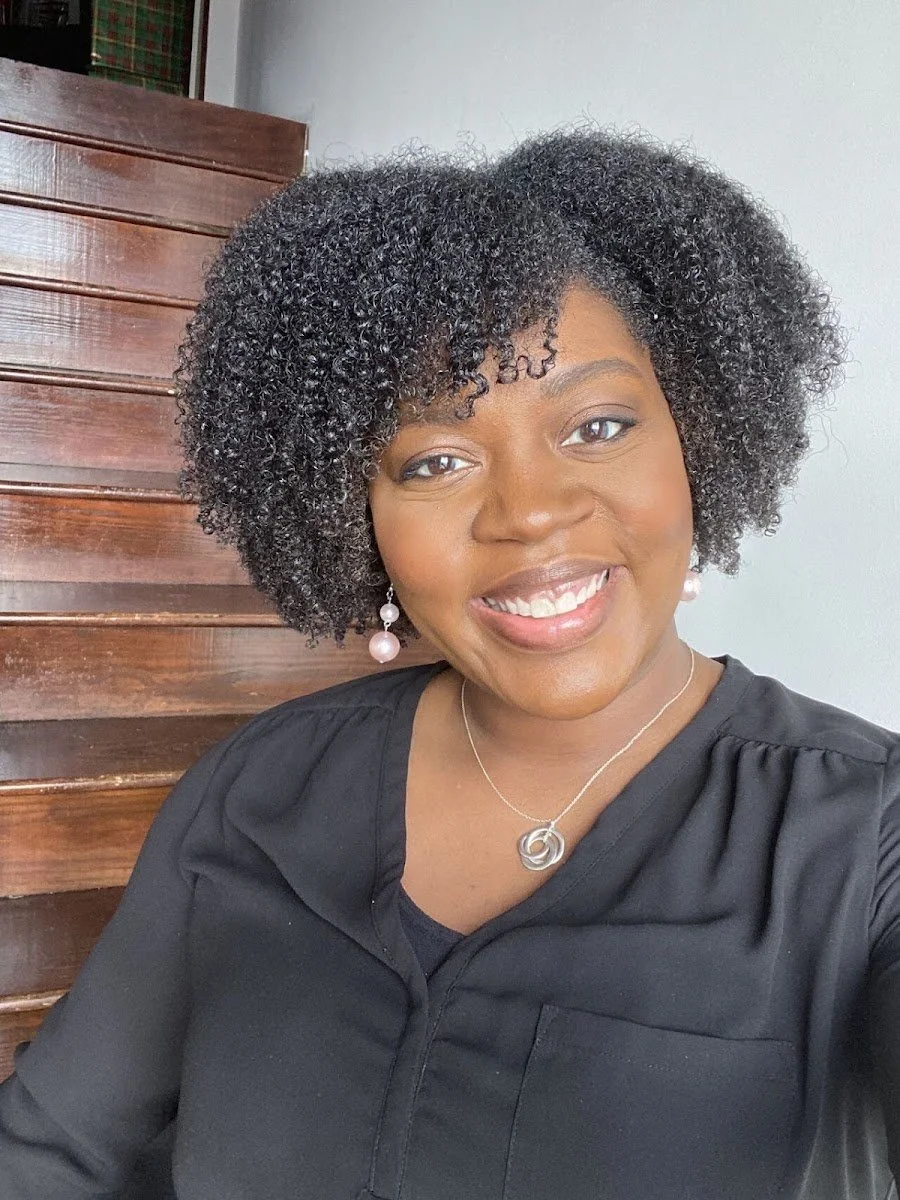
Episode 51
If you're the person in your organization responsible for developing everyone else, who's developing you?
In Episode 51 of The People Success Circle, I sit down with Nakisha Hicks, founder of The ElevateHer LLC, to talk about executive presence for HR leaders and one of the most overlooked gaps in most organizations: the development and support of HR itself. Nakisha brings nearly two decades of HR executive experience to this conversation, and doesn't hold back on what HR leaders actually need to thrive. Keep reading for practical ways to stop shrinking in high-stakes rooms and start owning your seat at the table.
In this episode of The People Success Circle, I explore the following:
I ask Nakisha why she started The ElevateHer LLC in 2020, and what the question "who is HR for HR?" really means
I learn the three things HR leaders need most, community, development, and exposure, and why most organizations aren't providing any of them
I cover why HR has to learn the language of the business and understand its financial drivers to be seen as a strategic partner, not admin
I break down the three levels of communication Nakisha teaches, and why moving to level three is what real executive presence for HR leaders looks like
I ask how someone who identifies as an introvert can still show up confidently in meetings, starting with just one sentence
I explore why business acumen and AI literacy are the two most critical skills HR leaders need to build right now
I discuss the real cost of a bad hire, and how HR can flip the narrative from cost center to strategic contributor
🎧 Tune in or keep reading to walk away with practical insights you can apply immediately—for yourself or the people you lead.
🔗 Helpful Links
🌐 Connect with Nakisha Hicks:
Website: nakishahicks.com
LinkedIn: linkedin.com/in/nakisha-hicks
🌐 Mindy’s website for business consulting: https://www.limerockcareerco.com
🎧 Listen to the podcast on Spotify, Apple Podcasts
Episode 51: Watch or Listen
Key Takeaways From Episode 51
Who Develops HR? Community, Development, and Exposure
Nakisha's whole business started from one question she never had a good answer to: who is HR for HR? Her take is that HR leaders need three things most: community, because HR is one of the most siloed functions in any organization by nature of the confidentiality it holds; development, because training budgets almost always flow to other leaders while HR is the one organizing everyone else's growth; and exposure. She calls it CDE for short, and it's a simple, memorable way to audit whether your own HR team is actually being invested in.
Executive Presence for HR Leaders Starts With Three Levels of Communication
This was the most concrete, useful framework in the whole conversation. Nakisha breaks communication into three levels: level one is simply reporting data, "here's what I know." Level two adds interpretation, giving a bit of context and backstory. Level three is where real executive presence for HR leaders lives, standing on your convictions, naming the risk, making a clear recommendation, and then going quiet. Her advice: aim to operate at level three about 80% of the time, especially in high-stakes rooms.
You Don't Have to Be Extroverted to Own the Room
Nakisha, an introvert herself, doesn't tell people to become someone they're not. Her advice for quieter voices is refreshingly small: pick one meeting, commit to saying one thing, and open it with "in my opinion," "based on my expertise," or "from what I know." Say it, stick it, and move on. It's a low-pressure way to build the habit of speaking from conviction instead of staying silent and wondering later what the room missed.
Business Acumen and AI Literacy Are No Longer Optional
Nakisha was blunt: a lot of HR professionals genuinely don't know how their organization makes money, spends money, or which roles drive revenue, and that makes them easy to overlook, or worse, easy to replace. Understanding the real cost of a bad hire, in salary, reputation, even potential lawsuits, is part of that fluency. The same goes for AI: not just using it to generate a quick draft, but genuinely understanding how to use it to work faster, while still applying human judgment, especially in a function as sensitive as HR.
🎧 Listen to the full episode of The People Success Circle for more practical insights and leadership strategies you can start applying right away.
Read the full transcript
Mindy: Well, hello, Nakisha. Thank you so much for coming to my podcast today. I am excited for our listeners to get to know you.
Nakisha: I'm happy to be here.
Mindy: You have a very impressive human resources background, helping nonprofits and organizations with the leadership side of business and really helping people become the leader they're designed to be. Before we dive into the nitty-gritty, I'd love it if you could tell us a little about yourself, your background, and what led you to becoming a business owner today.
Nakisha: A little about me, I'm a Midwest girl who moved to the South and decided to make my life there. I grew up in HR, I've been in HR since the mid-nineties, before it was even called HR, it was "personnel," and a lot of administrative-type roles. I kind of grew up in it, I'm not new here, I grew up here, and matriculated up into the C-suite. But at the same time, I decided I needed to do something different, because I was really concerned about HR, not the respect of HR as a function in an organization, but respect for the people who actually do the work. My question was always, well, who is HR for HR? And honestly, we never had anybody.
So I thought about what I needed in my own career: an aspiring partner, a coach, an advisor, someone I could just vent to and say, "here's what's going on with these people." Because of that, I jumped out in 2020 and started my business, The ElevateHer. We sit at the intersection of executive coaching and leadership development. We started off primarily working with HR professionals and HR leadership teams and have since branched out, now we serve a range of leadership teams, and we work with nonprofits and some small businesses doing HR consulting.
Mindy: That's so important. Two companies I worked for, McDonald's Corporation and the Gap, both had HR for HR departments, though they were big organizations. I always thought that was the coolest job, being in HR for HR, because you know the job, but your role is to help the people doing the job thrive. Sometimes when you're the HR leader, you don't have anyone to go to. You can't really share, you can't really be frustrated, you have to have a smile on all the time, and there's a lot of pressure in the role.
Nakisha: Absolutely, and I think that's sad. We're essentially the keepers of the most precious asset in organizations, the people, so who's there for us?
Mindy: I felt that personally the most during COVID, honestly, when every single member of the organization, from entry-level employees to the CEO, was affected at the same time. Everyone was experiencing change, turmoil, and hardship simultaneously, including me. That was a hard time to be in HR.
Nakisha: It really was. I remember having to make the phone calls to lay off or furlough the majority of staff, individually calling people, thinking, this really sucks to be me today. I always say HR is the one who turns the lights out in the organization. But then who do you have? You can't necessarily go to a CMO or a CFO, they don't speak our language.
Mindy: Right, and we carry so much confidentiality at the same time. So when you think about HR for HR and the reason you started your organization, what do you think HR leaders need most in terms of support?
Nakisha: The number one thing is community. Organizations, individuals, and departments so often operate in silos, and HR especially, because we're such a specialized function, we touch every department, but we're also uniquely siloed because of confidentiality. So the first thing HR people need is an HR community to be attached to. The second is developmental opportunities, because in most organizations, development is built for other leaders, the people who are supposed to get HR "hooked up" into leadership or development opportunities. But who's developing HR?
Mindy: That's right, we're usually the ones planning and organizing everyone else's training. Like the old saying about the cobbler having no shoes, we tend to forget the HR team needs it too.
Nakisha: Exactly. I actually just talked with an HR leader I work with as an executive coach for a program she put together for emerging leaders. She said, "but I don't have a coach." She's the one running the program, and there's no coaching available for her. It's an interesting, telling dynamic.
Mindy: It really is. Some leaders within HR know to look out for the people on their own team, but so often HR is a small team, just one, two, three people total. In that situation, you have to have a great relationship with your boss or the CEO to make sure your team's needs get met too.
Nakisha: Right. So I think it's community, development, and exposure, CDE, I'm sure there are more letters in the alphabet, but definitely those three.
Mindy: I love that, and I think that's exactly what HR leaders need. Looking back at my own career, development was so key. I majored in marketing and public relations, not HR, and I was lucky enough to start in HR at McDonald's Corporation, where they sent us to week-long internal HR training classes. I always say I learned more in those than in my whole degree, because they developed us so thoroughly. But that's not what I typically see. If someone listening is thinking, "yes, I should develop my HR team," what resources have you found work well?
Nakisha: I'm a big fan of customized development for HR teams specifically, not necessarily off-the-shelf training. Meet them where they are. I've had clients where I had to do "HR 101" with a younger set of staff members in their first HR roles, they simply don't know all the things seasoned folks know yet. It's things like teaching them specifically how to navigate sensitive information. Yes, they'll still learn the core leadership competencies, accountability, communication, but there's a different, more specific path HR professionals need.
Mindy: Absolutely, and I've often found in my own consulting work that the person who ends up in an HR role sometimes started as an office manager, or even someone in finance ends up holding HR responsibility. That development becomes even more important when they don't come in with the education or anyone to guide them, not just to keep the organization out of legal trouble, but so the person in the role can actually perform at their best.
Nakisha: Absolutely, because in the end it's about the mission of the organization. You're handling the most precious asset, the people, and if the person stewarding that can't do it well, what do we do?
Mindy: Right. You and I both started in HR around the same time, for me it was around 1994, and it really was "personnel" back then. That word still gets under my skin, so old school. So many companies still view human resources as an admin function, paperwork, payroll, and that's it. Have you seen that same dynamic in your consulting, and how do you help shift the mindset of what HR is capable of?
Nakisha: I've absolutely seen it. I often say HR sometimes becomes the "cleanup crew," we get those extra auxiliary roles. I think changing the mindset really starts from the top down, with the culture of the organization. Some organizations plainly look at HR as "the help." As much as they say they care about their people, they may not care about the people function, and they'll still regard HR as purely administrative. In that case, there's not a lot you can do to shift the mindset, it's a cultural thing at that point, shaped by what's been accepted and rewarded over years. The move isn't to get frustrated in that situation, but to still bring the most value you can. Where there is an opportunity, I think it's helping the organization understand HR isn't the "office of no," we're not the principal's office, we're not the police, there's nothing to be scared of. We're a true business partner. A lot of that shift comes from how we interface with other business leaders, we have to learn to speak the language of the business. I tell people all the time, nobody speaks HR but us, but everybody speaks the language of the business, time, money, innovation. We have to learn how what we do impacts the business, and once we can speak that language, it shifts how HR is perceived in the organization.
Mindy: I couldn't agree more. I always describe myself in human resources as a strategic business partner, someone who wants to know everything about the rest of the business so I can do my job better. If HR is sitting in an office focused purely on admin, we don't understand the latest marketing campaign, the big operational changes happening, the organization's goals, or even the finances. I love talking about the impact HR can have on the bottom line and the P&L.
Nakisha: You'd be surprised how many HR professionals don't know how their business makes money, spends money, or what the biggest financial drivers in the organization are. I always say, you need to know that, because if you don't, you're easily replaceable.
Mindy: One hundred percent. When you understand everything else happening in the organization, you know as an HR leader where your priorities actually fit into the business's priorities. The worst thing we can do is assume our priority in HR is the most important thing on someone's plate, we lose credibility almost instantly when we push for something and get met with, "do you have any idea what else is happening right now?" The best HR leaders stay genuinely in tune with what's happening across the company.
Nakisha: Absolutely, and with what's happening in the market too. Not just global in the sense of being all around the world, but global in the sense of understanding everything the organization touches, having that perspective that the world is so much bigger than my desk.
Mindy: Right. I know one of the things you help leaders with is their identity as a leader and their executive presence, their confidence in how they show up. Can you tell me more about that?
Nakisha: What I've realized across all the coaching work I do is that many people don't present as confidently as they really should. Somewhere they get lost in the sauce and don't show up, and nobody knows they're even in the room. At the same time, there's this desire to have a seat at the proverbial table, when really, they already have the seat, it's about actually owning the seat they're in.
Mindy: We've earned the right, we have the title, we've gotten the position. So how do we show up in a stronger way?
Nakisha: It starts with a level of self-awareness, just acknowledging, I'm here. I applied for this position, I got promoted into it, regardless of how you got there, you're there, and the people around you know you're there. If you're sitting at an executive table, you have a responsibility to speak up while you're there, that's the job. So the first thing is becoming self-aware that you are, in fact, there, and being confident in your own abilities. I always tell people, confidence is nothing but trust, and trust is nothing but consistency over time. So ask yourself: how many times have you had to do hard things, and were you successful? Absolutely you were, so be confident in that. How many times have you had to step into something you knew nothing about and solve it? If you've done that consistently, be confident in it.
The second thing is how people communicate. I think about it as three levels. Level one is basically spitting out data, think of a report-out, "here's what I know," nothing more. Level two adds interpretation, giving a bit of backstory to help someone understand it. But for executive presence, we have to move to level three: I'm convicted, I'm standing on what I know to be true. Here's what I know, here's the risk associated with it, here's my recommendation, here's how we're moving forward. And then you get quiet.
Mindy: Nakisha, I have genuinely never heard it explained so clearly. What we typically hear is just, "you need to speak up more in meetings," or "this person needs more presence." I've never heard anyone break it into three levels like that, with something to actually practice. So often we just tell people to do something differently or more, without giving them real tools. I love how you laid that out, starting with sharing expertise and data and moving from there, it's so much more specific than just "speak up more."
Nakisha: And that's exactly what shows up on somebody's performance evaluation, "needs to speak up more, we need to hear your voice more." But the real question is, how do you actually do that? I often encourage people to think about the last time they were in a senior or higher-stakes meeting, and ask which level they found themselves in. Were they in level one because it was comfortable, just reporting out what they know? Hovering into level two, adding a bit of interpretation? Or did they say, "here's what I know to be true, based on my experience, here's the risk, here's my recommendation, here's how I think we should move forward"? That's a different level entirely, it's owning your seat, owning your confidence in who you are. People slide back sometimes, from three to two, and that's fine, but I tell them, just try to be in level three 80% of the time.
Mindy: I think that's so wise, and it applies to HR leaders, but really to anyone in the workplace who wants to be more confident in their voice. When we give people specific tools like that, we have a much higher chance of seeing real behavior change, which boosts both their confidence and their career over time.
Nakisha: Absolutely. I see it happen, people sit quietly in rooms, and I always think, I wonder what the room missed because they didn't speak up, what it cost the organization.
Mindy: How would you respond if someone said, "this sounds great, but I'm really an introvert, I just like to listen"?
Nakisha: I'm an introvert too, but I've learned to be extroverted when it comes to my career. I think we can get so caught up in labels, we take assessments and assign ourselves those characteristics permanently. But you can choose for yourself, I can be an introvert and not carry the whole room in conversation, but still make a concerted effort to say one thing in every meeting I'm in. That's the goal, just one thing, and I start that one sentence with "in my opinion," or "based on my expertise," or "from what I know." Say it once, you don't need a whole dissertation. Say what you need to say, stick it, and move on.
Mindy: That makes a lot of sense. What other things would you recommend for a leader wanting to improve their presence at work?
Nakisha: Honestly, it's the Nike thing, you just have to do it, you can't hide. Look for community, again, I'm big on community. Be around people who will hold you accountable, everybody has a favorite coworker, so find yours and say, "hold me accountable, don't let me shrink back in a meeting, and I won't let you either." Find someone who can help you, whether that's a coach, or even better, a therapist, sometimes it's genuinely therapy, because workplace trauma is real, and it can cause people to lose their voice. Own what's true for you and go at your own pace, there's no one-size-fits-all, know your personality, know what you're comfortable with, but push yourself outside comfortable, without going to the extreme.
Mindy: Right, I think it's important for people to stay authentic and be themselves. As you look at the current climate, the job market, AI's impact on the workplace, what skills do you think are most important for HR leaders right now, and which ones will make them the people who can actually get the job done?
Nakisha: First and foremost, we have to upskill in business acumen. It's no longer enough to just come to work and handle whatever crosses the HR desk. You need to understand business acumen, if you're a recruiter, you need to know which positions bring revenue into the organization. You also need to understand AI, not just "I can type a prompt into ChatGPT and get something back," but genuinely learning how to use AI to be more effective and move faster, because that's the era we're in. The argument that AI is taking jobs, we've seen some of that, we're not going to pretend we haven't. But there's a human element AI can't replace, and there are things AI produces that still need to be checked for accuracy. HR is a sensitive function, just because AI produced something doesn't mean it's the final word, it still needs human review. You have to be knowledgeable about AI and the tools available to you so you can be effective, because organizations are spending real money implementing it.
Mindy: Absolutely, and it's really affected recruiting, probably the single biggest area AI has touched. In theory that should make hiring faster, but I think we're still in a clunky transition period. I'm a huge fan of using AI in my own business, but it's genuinely hard to get a job right now, and hard to hire the right person right now. I wonder if the AI built into recruiting platforms is actually working yet, or if it's sometimes creating a bottleneck, especially with purely pre-recorded interviews where AI is effectively deciding who the candidate will be. I personally think that's taking it too far.
Nakisha: I think it is too. I had a client who applied to the same role four times before finally getting it on the fourth try, and it came down to how she phrased things differently, not anything substantive about her fit. That's exactly my point, there still has to be a human touch in there.
Mindy: It really does. Though when you think about using AI in HR to help write job descriptions, or develop a new onboarding program, we'd be crazy not to use the resource available to us, especially running such lean teams.
Nakisha: Right, and part of that leanness comes from budgets, HR is so often seen as the business unit that costs money rather than makes money. So it's about flipping that narrative, being that partner, understanding and articulating the value you bring. I use a lot of AI in my business too, but there's still human touch involved, there are just things AI can't do, it has to be a real, live person.
Mindy: Absolutely. When you talk about business acumen, it gets me every time, people think HR doesn't generate revenue, but we absolutely help control expenses, and we have real influence there. If we don't understand the business, how turnover affects the bottom line, how good onboarding affects the bottom line, how training affects retention, these things genuinely matter, and it's on us to learn that business language so people understand the impact we're having.
Nakisha: Absolutely. Think about the cost of a mishire, in more ways than one. A mishire can cost you a lawsuit, it can cost you your reputation, it can cost the organization far more than just a salary.
Mindy: Right, and it can cost you a customer too, so many different angles. The simplest way I learned this was at McDonald's Corporation, if we hired someone for the restaurant and gave them two uniforms and never saw them again, that was a hundred dollars right there. It's as simple as a uniform, but it's also training hours and everything else, if we don't do it well, there's a real hit to the business, but if we do it well, the impact we can have is huge.
Nakisha: Absolutely, that's great.
Mindy: I have thoroughly enjoyed this conversation, and I love that we talked about HR for HR and gave real advice for HR leaders, because as you said, we're often the part of the business that isn't thought of when it comes to development. I used to lead a staff conference for an organization, and it was always the HR team putting it on, and at the end we'd realize we never even got to sit in the sessions ourselves, we were running around the whole time. Hopefully this episode is a takeaway for people to leverage themselves as better, more impactful HR leaders, and for organizations to recognize that the leaders on the people side of the business are genuinely instrumental to the company's success.
Nakisha: Absolutely, I couldn't agree with you more.
Mindy: Thank you so much for being with us. I'll make sure to include all of Nakisha's contact information in the show notes for this episode. I hope you have a great week, and we'll see you on the next episode of The People Success Circle.
